Spay & Neuter
Spay and Neuter Nashville TN: Integrative Surgical Care for Pets
Deciding when and how to spay and neuter surgery fits your pet is one of the biggest health decisions you will make as a pet parent, and at Alitura Veterinary Care, we want that decision to feel supported rather than overwhelming. Our Nashville, TN hospital performs surgery using individualized anesthesia protocols, modern pain management, and a calm, low-stress environment built around your pet’s comfort. If you are looking for a veterinary partner who treats surgery as part of a lifelong wellness plan rather than a routine box to check, we would be honored to care for your pet.
What Is the Best Age to Spay or Neuter My Dog or Cat?
The best age to spay or neuter your dog or cat depends on species, breed, and expected adult size, so we avoid a one-size-fits-all recommendation. Many cats are spayed or neutered around four to five months of age, before their first heat cycle. Dogs vary more: smaller breeds are often candidates earlier in life, while larger breeds may benefit from waiting until closer to skeletal maturity to protect developing joints. During your pet’s wellness visit, we walk through the risks and benefits together so the timing fits your pet’s specific needs, not just a calendar rule.
Why Is Spaying or Neutering Important for My Pet’s Health?
Spaying and neutering protect your pet from several serious, preventable health problems, not just unwanted litters:
- Spaying eliminates the risk of pyometra, a life-threatening uterine infection
- Spaying before the first heat cycle significantly lowers the risk of mammary cancer
- Neutering removes the risk of testicular cancer entirely
- Neutering can reduce roaming, marking, and hormone-driven aggression
- Both procedures support the wider community by helping reduce pet overpopulation
These benefits are why we consider spay and neuter surgery a form of preventive surgical care, not just a single appointment. It is an investment in your pet’s long-term comfort and longevity.
What Should I Expect During a Pet Spay or Neuter Appointment?
Your pet’s appointment starts with a full physical exam and pre-anesthetic bloodwork, both completed before any sedation is given. From there, your pet receives an individualized anesthesia plan, continuous monitoring, and comprehensive pain management throughout the procedure. Our surgical team stays close by from the moment your pet arrives until they are resting comfortably in recovery, watching vital signs closely along the way. After surgery, pets recover in a quiet, closely watched space before heading home with detailed discharge instructions, and our team checks in with you throughout the day so you always know how your pet is doing.
How Long Does Recovery Take After Spay or Neuter Surgery?
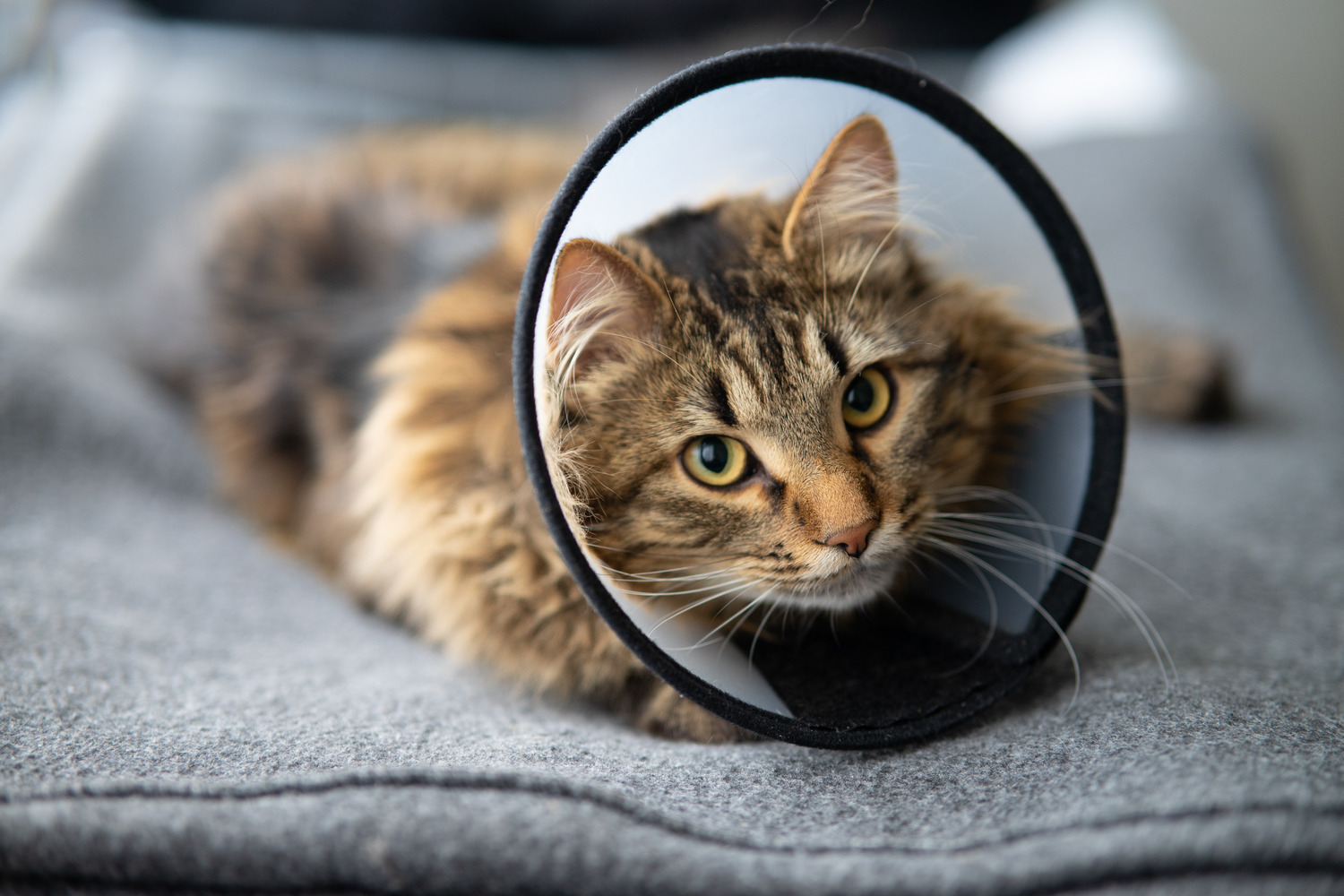
Most pets need about 10 to 14 days to fully heal after spay and neuter surgery, even though energy levels often bounce back within a day or two. Activity restriction matters during this window: running, jumping, and rough play should wait until your veterinarian clears your pet, even if they seem back to normal. Pain medication and home care instructions help keep recovery comfortable, and cold laser therapy can be added to support tissue healing and reduce inflammation around the incision site.
Do Indoor Cats Still Need to Be Spayed or Neutered?
Yes, indoor cats should still be spayed or neutered even if they never go outside. Indoor cats can slip out unexpectedly during a repair visit, a moving day, or an open door, and mating behaviors bring their own risks and complications once that happens. Spaying eliminates heat cycles and lowers the risk of reproductive cancers and infections, while neutering reduces territorial marking and roaming instincts in male cats. Whether your cat spends all day on the windowsill or roams the neighborhood, both procedures support a longer, more comfortable life.
How Much Does Spay or Neuter Surgery Cost in Nashville, TN?
The cost of spay or neuter surgery in Nashville depends on your pet’s species, size, age, and any additional services performed at the same visit, like bloodwork or microchipping. Smaller pets typically have lower surgical costs, while larger dogs and female pets often require more involved procedures. We believe in transparent estimates before every surgery, so you know what to expect with no surprises at pickup. Our priority is keeping anesthesia safety, monitoring, and pain control consistent regardless of your pet’s size or budget. Contact our team for a personalized estimate based on your pet’s needs.
What Pre-Surgical Testing Happens Before Anesthesia?
Before anesthesia begins, we run bloodwork and a physical exam to check organ function and screen for hidden health risks. This testing helps us build an anesthesia plan suited to your pet’s age, breed, and overall health, which matters even more for senior pets or those with existing conditions. Along with monitoring equipment used throughout the procedure, this approach reflects the anesthesia safety and monitoring standards that responsible spay and neuter care should always follow.
What Are Signs of Normal vs. Concerning Recovery After Surgery?
Mild grogginess, a quieter mood, and reduced appetite for the first day are all normal after spay or neuter surgery. Typical signs include:
- Sleepiness or low energy for the first 24 hours
- Mild swelling right at the incision site
- Slightly reduced appetite the first evening
Call our team if you notice:
- Redness, discharge, or an opening at the incision
- Vomiting or a loss of appetite that lasts more than a day
- Lethargy that does not improve after the first 24 hours
- Persistent licking or chewing at the incision site
Knowing what is typical versus what needs a call helps you feel confident during post-surgical recovery, and our team is always available if something feels off.
Can Spay or Neuter Be Combined With Microchipping or Other Services?
Yes, many pet parents choose to combine spay and neuter surgery with microchipping or other minor procedures during the same anesthesia event. Bundling services this way means fewer separate sedation events for your pet and one recovery window instead of several. We will walk through which additions make sense for your pet during the pre-surgical exam, so nothing gets added without your input.
What Integrative Therapies Support Healing After Sterilization Surgery?
Cold laser therapy, herbal support, and functional nutrition can all be layered onto a standard recovery plan to ease inflammation and speed healing. At Alitura, we do not see sterilization surgery as separate from your pet’s broader wellness plan. Acupuncture can support pain relief and circulation during recovery, while targeted food therapy helps rebuild strength after anesthesia. This blend of Western medicine and integrative spay and neuter care is part of what makes our approach to veterinary surgery different from a standard surgical clinic.
Why Choose Alitura Veterinary Care for Spay and Neuter Surgery
Alitura Veterinary Care blends precision surgical medicine with integrative recovery support, so your pet is cared for as a whole being, not just a surgical case:
- Individualized anesthesia and pain management for every patient
- A Fear Free style, low-stress environment for anxious pets
- Access to cold laser therapy, acupuncture, and herbal support during recovery
- Dr. Eva Evans, DVM, MBA brings experience in emergency medicine, surgery, and integrative therapies to every procedure
- Transparent estimates and clear communication before, during, and after surgery
Explore our full range of personalized care plans to see how we combine science and nature at every stage of your pet’s life.

Redefine Recovery: Book Your Pet’s Spay or Neuter at Alitura
If you are ready to schedule spay and neuter surgery in Nashville, TN, our team at Alitura Veterinary Care is here to help you feel confident every step of the way. Call us at 615-988-1260 or request an appointment online to get started. We look forward to welcoming you and your pet to our hospital at 1501 Ensley Blvd.
Redefine What’s Possible for Your Pet.
Exceptional health requires exceptional care. Let’s build a plan designed to nourish your pet—because they deserve nothing less.